Signs You Have a Predator on Your Property (And What to Do Next)
Are Predators Lurking Around Your Property? Here’s How to Tell
Most predators don’t make themselves obvious.
They move quietly, hunt at night, and leave behind subtle signs that many homeowners overlook—until a pet goes missing, livestock is attacked, or the problem gets out of control.
If you live in a rural or suburban area, it’s important to recognize the early warning signs of predator activity before it becomes a serious issue.
Here’s what to watch for:
1. Unusual Animal Tracks Around Your Property
One of the clearest signs of a predator is fresh tracks in dirt, mud, or snow.
Common predator tracks include:
Coyotes – Oval-shaped, similar to dogs but narrower
Foxes – Smaller, more delicate prints
Bobcats – Round tracks, often without visible claw marks
Tracks near fences, sheds, or wooded edges are especially telling.
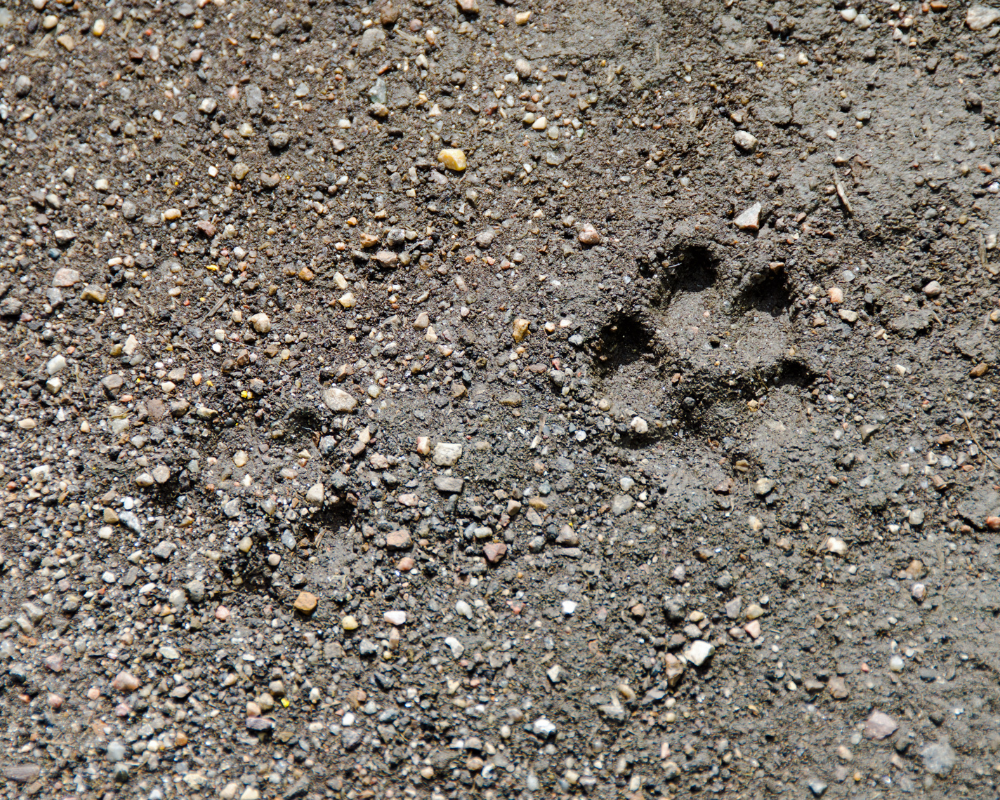
2. Missing or Injured Pets & Livestock
This is often the first sign homeowners notice—but by then, the predator has likely been around for a while.
Warning signs include:
Pets disappearing without a trace
Chickens or small livestock killed or partially eaten
Bite marks around the neck or throat
Predators tend to return to areas where they’ve successfully hunted before—so fast action is critical.
3. Strange Noises at Night
Hearing unusual sounds after dark?
Predators are most active at night, and you might notice:
Howling or yipping (commonly coyotes)
High-pitched screams (often foxes)
Movement or rustling near trash areas or wooded edges
If these sounds are consistent, it’s a strong indicator of nearby activity.
4. Scattered Trash or Disturbed Property
Predators are opportunistic—they’ll go where food is easy.
Look for:
Knocked-over trash cans
Torn garbage bags
Food scraps dragged across your yard
This behavior often starts small but escalates quickly if not addressed.
5. Droppings (Scat) in Key Areas
Predator droppings are often left in visible locations to mark territory.
You might find:
Along trails, driveways, or property edges
Containing fur, bones, or feathers
Larger and more pungent than typical domestic animal waste
This is a strong sign a predator is actively using your property.
6. Damage to Fencing or Entry Points
Predators are persistent—and surprisingly resourceful.
Check for:
Holes dug under fences
Bent or broken wire
Gaps near gates or structures
Even small openings can be enough for predators to get in.
7. Increased Wildlife Activity (or Sudden Disappearance)
A sudden shift in local wildlife can signal a predator nearby.
You may notice:
Fewer squirrels, rabbits, or birds
Or the opposite—prey animals acting nervous or erratic
Nature tends to “go quiet” when predators are present.

Why You Shouldn’t Ignore These Signs
Predators rarely pass through just once.
If they’ve identified your property as a food source, they will:
Return frequently
Become more bold over time
Pose increasing risk to pets, livestock, and even safety
Waiting usually makes the problem harder—and more expensive—to solve.
What to Do If You Suspect a Predator
While there are DIY deterrents, they’re often temporary at best.
For real protection:
Identify the exact predator species
Remove attractants properly
Use targeted, humane control methods
This is where professional help makes a big difference.
Protect Your Property with Expert Predator Control
If you’re noticing any of these signs, it’s time to take action.
The team at Predator Control Services specializes in identifying and safely removing predators—helping you protect your property, pets, and peace of mind.
Don’t wait until the problem escalates—reach out today to schedule an inspection and get expert guidance tailored to your situation.